
In today’s fast-paced business environment, downtime can be incredibly costly, especially when it comes to critical equipment and infrastructure. Reactive maintenance, waiting for something to break before fixing it, is a recipe for disaster. That’s where predictive maintenance comes in – a proactive approach that leverages data to anticipate and prevent failures. But predictive maintenance isn’t just about sensors and algorithms; it’s also about understanding the bigger picture of your customer and their assets.
Customer Relationship Management (CRM) systems, traditionally used for sales and marketing, hold a wealth of information about your customers, their equipment, and their service history. When integrated with Remote Monitoring and Management (RMM) tools that provide real-time data on equipment performance, CRM becomes a powerful engine for enhancing predictive maintenance. This synergy allows businesses to move beyond simply reacting to alerts and towards proactively addressing potential issues before they impact the customer’s operations.
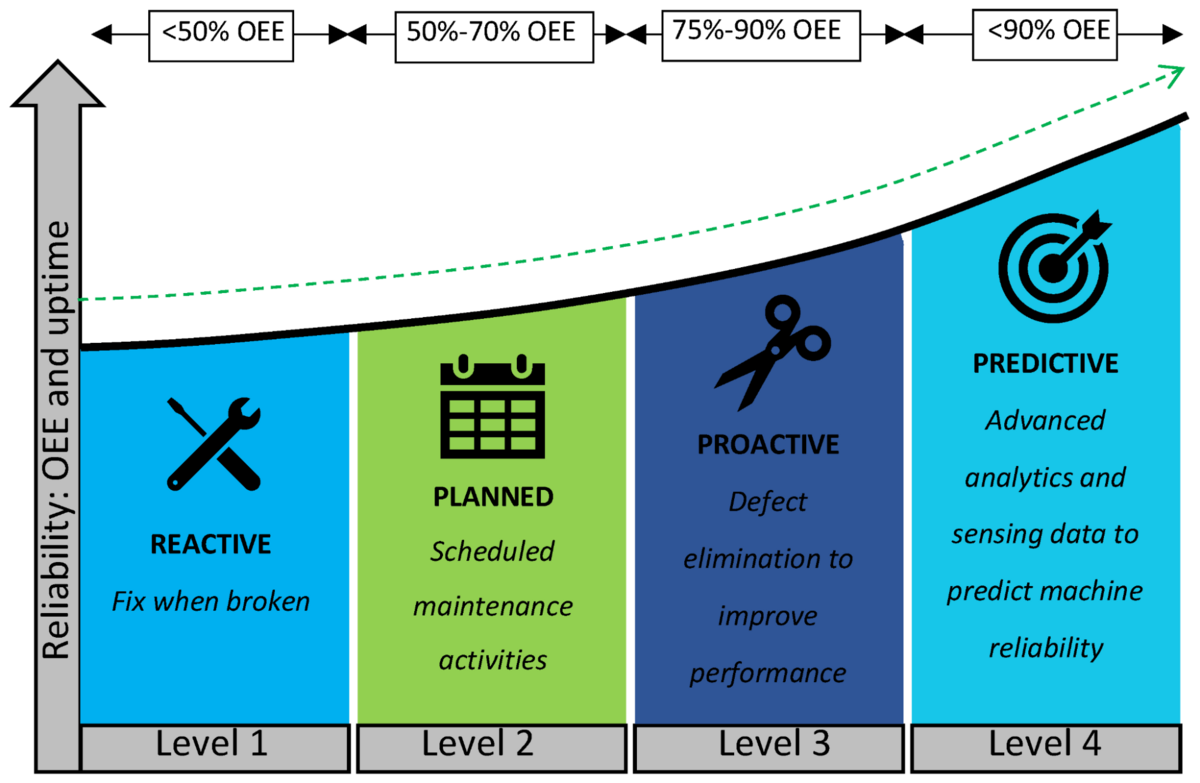
This article will explore how CRM enhances predictive maintenance by leveraging RMM alerts. We’ll delve into the ways CRM data can contextualize RMM alerts, improve maintenance scheduling, personalize customer communications, and ultimately, build stronger customer relationships by ensuring their critical assets are always operating at peak performance. We’ll also discuss practical considerations for implementing this integrated approach and the benefits businesses can expect to see.
Understanding the Core Components: CRM, RMM, and Predictive Maintenance
To understand how CRM enhances predictive maintenance via RMM alerts, it’s crucial to define each component and their individual roles.
Customer Relationship Management (CRM)
CRM is a software system designed to manage and analyze customer interactions and data throughout the customer lifecycle, with the goal of improving business relationships, assisting in customer retention, and driving sales growth. Think of it as a central hub for all customer-related information. Key features of a CRM system include:
- Contact Management: Storing and organizing customer contact information.
- Sales Force Automation: Streamlining sales processes, tracking leads, and managing opportunities.
- Marketing Automation: Automating marketing campaigns and tracking their effectiveness.
- Service Management: Managing customer service requests, tracking support tickets, and resolving issues.
- Reporting and Analytics: Providing insights into customer behavior and business performance.
Remote Monitoring and Management (RMM)
RMM is a software platform used by IT service providers and internal IT departments to remotely monitor and manage their clients’ or their own IT infrastructure. It provides real-time data on the performance and health of devices and systems. Key features of an RMM system include:
- Remote Monitoring: Continuously monitoring the performance of servers, workstations, networks, and other IT assets.
- Alerting: Generating alerts when performance thresholds are exceeded or potential issues are detected.
- Patch Management: Automating the process of applying software updates and security patches.
- Remote Access: Providing remote access to devices for troubleshooting and maintenance.
- Reporting: Generating reports on the performance and health of IT infrastructure.
Predictive Maintenance
Predictive maintenance uses data analysis techniques to predict when equipment failures are likely to occur. It allows maintenance to be scheduled proactively, minimizing downtime and reducing maintenance costs. The core principle is to monitor the condition of equipment and predict potential failures before they happen. This relies heavily on sensor data, historical data, and machine learning algorithms to identify patterns and anomalies that indicate impending problems.
The Power of Integration: CRM and RMM Working Together
The real magic happens when CRM and RMM are integrated. Instead of operating in silos, these two systems can share data and insights, creating a more comprehensive view of the customer and their assets. This integration allows businesses to move from reactive maintenance to proactive, predictive maintenance, leading to significant improvements in efficiency, customer satisfaction, and profitability. Streamlining business processes often necessitates a robust solution, and Crm Rmm Integration offers a powerful way to achieve that efficiency
Contextualizing RMM Alerts with CRM Data
RMM systems generate a constant stream of alerts, indicating potential issues with monitored devices. However, these alerts are often decontextualized. They might indicate a high CPU usage on a server, but without additional information, it’s difficult to determine the severity of the issue or the appropriate course of action. CRM data can provide crucial context to these alerts.
- Customer Importance: The CRM can indicate the customer’s value and criticality. An alert from a high-value customer’s server might require immediate attention, while a similar alert from a less critical customer might be addressed later.
- Service Level Agreements (SLAs): CRM stores SLA information, which specifies the agreed-upon response times and service levels for each customer. This allows the system to prioritize alerts based on SLA requirements.
- Equipment History: The CRM contains information about the equipment’s age, maintenance history, and previous issues. This information can help diagnose the root cause of the alert and determine the best course of action.
- Customer-Specific Configurations: CRM can store information about customer-specific configurations and customizations. This allows technicians to understand the unique requirements of each customer’s environment and tailor their response accordingly.
Improving Maintenance Scheduling and Resource Allocation
Integrating CRM and RMM can significantly improve maintenance scheduling and resource allocation. By combining RMM data with CRM information, businesses can schedule maintenance proactively, minimizing downtime and optimizing resource utilization.
- Predictive Maintenance Scheduling: RMM data can be used to predict when equipment failures are likely to occur. CRM data can then be used to schedule maintenance proactively, taking into account customer availability and resource constraints.
- Optimized Resource Allocation: By understanding the criticality of each customer and the urgency of each issue, businesses can allocate their resources more effectively. High-priority issues can be addressed immediately, while less critical issues can be scheduled for later.
- Automated Scheduling: The integration can automate the scheduling process, reducing the manual effort required to coordinate maintenance activities.
Personalizing Customer Communication and Building Relationships
Effective communication is crucial for building strong customer relationships. Integrating CRM and RMM allows businesses to personalize their communication with customers, providing them with timely and relevant information about their equipment and services.
- Proactive Communication: Instead of waiting for customers to report problems, businesses can proactively communicate with them about potential issues. This demonstrates a commitment to customer satisfaction and builds trust.
- Personalized Communication: CRM data can be used to personalize communication with customers, addressing them by name and referencing their specific equipment and service history.
- Automated Notifications: The integration can automate the process of sending notifications to customers about scheduled maintenance, potential issues, and resolved problems.
- Improved Customer Satisfaction: By providing timely and relevant information, businesses can improve customer satisfaction and build stronger relationships.
Practical Considerations for Implementation
Implementing a CRM and RMM integration for enhanced predictive maintenance requires careful planning and execution. Here are some practical considerations:

Choosing the Right CRM and RMM Platforms
Selecting the right CRM and RMM platforms is crucial for a successful integration. The chosen platforms should be compatible with each other and offer the necessary features and functionality to support predictive maintenance. Consider the following factors:
- Integration Capabilities: Ensure that the CRM and RMM platforms offer robust integration capabilities, such as APIs or pre-built integrations.
- Scalability: Choose platforms that can scale to meet the growing needs of your business.
- Security: Select platforms that offer strong security features to protect sensitive customer data.
- Ease of Use: Choose platforms that are easy to use and administer.
- Cost: Consider the total cost of ownership, including licensing fees, implementation costs, and ongoing maintenance costs.
Data Mapping and Synchronization
Once the CRM and RMM platforms are chosen, it’s important to map and synchronize the data between the two systems. This involves identifying the data fields that need to be shared and establishing a process for keeping the data synchronized. Key considerations include:. Modern businesses seeking integrated solutions often find Enterprises Switching Crm a key element in streamlining operations
- Data Consistency: Ensure that the data is consistent across both systems.
- Data Accuracy: Verify the accuracy of the data before synchronizing it.
- Data Security: Protect sensitive data during the synchronization process.
- Frequency of Synchronization: Determine the appropriate frequency for synchronizing the data.
Defining Alerting and Escalation Procedures
Clearly defined alerting and escalation procedures are essential for ensuring that critical issues are addressed promptly. These procedures should specify the criteria for generating alerts, the individuals who should be notified, and the steps that should be taken to resolve the issue. Consider the following:
- Alerting Thresholds: Define appropriate alerting thresholds for each monitored parameter.
- Notification Channels: Specify the notification channels that should be used, such as email, SMS, or phone calls.
- Escalation Paths: Define escalation paths for unresolved issues.
- Response Times: Establish target response times for each type of alert.
Training and Documentation
Proper training and documentation are crucial for ensuring that users can effectively use the integrated CRM and RMM system. Provide training to users on how to access and interpret data, how to respond to alerts, and how to use the system to schedule maintenance and communicate with customers. Create comprehensive documentation that covers all aspects of the system.
Benefits of CRM-Enhanced Predictive Maintenance
The benefits of integrating CRM and RMM for enhanced predictive maintenance are numerous and can significantly impact a business’s bottom line.
Reduced Downtime and Increased Uptime
By proactively identifying and addressing potential issues before they lead to equipment failures, businesses can significantly reduce downtime and increase uptime. This translates to improved productivity, reduced costs, and increased customer satisfaction.
Lower Maintenance Costs
Predictive maintenance allows businesses to schedule maintenance more efficiently, reducing the need for costly emergency repairs. It also helps extend the lifespan of equipment, reducing the need for premature replacements. Identifying the leading platforms requires careful consideration, The best CRM software in 2025, as businesses adapt to the evolving technological landscape
.
Improved Customer Satisfaction and Retention
By proactively addressing potential issues and providing timely and relevant information, businesses can improve customer satisfaction and build stronger relationships. This leads to increased customer loyalty and retention. Implementing effective strategies for Crm Rmm Driving business growth requires a holistic approach
Increased Efficiency and Productivity
The integration of CRM and RMM automates many of the tasks associated with maintenance management, freeing up technicians to focus on more strategic activities. This leads to increased efficiency and productivity.
Data-Driven Decision Making
The integrated system provides a wealth of data that can be used to make informed decisions about maintenance strategies, resource allocation, and customer service. This allows businesses to optimize their operations and improve their overall performance.
Conclusion
Integrating CRM and RMM to enhance predictive maintenance is a powerful strategy for businesses looking to improve efficiency, reduce costs, and enhance customer satisfaction. By leveraging the data and insights from both systems, businesses can move beyond reactive maintenance and towards a proactive, predictive approach that ensures their customers’ critical assets are always operating at peak performance. While implementation requires careful planning and execution, the benefits of this integration are significant and can provide a competitive advantage in today’s demanding business environment. The key is to choose the right platforms, map and synchronize data effectively, define clear alerting procedures, and provide adequate training to users. By taking these steps, businesses can unlock the full potential of CRM-enhanced predictive maintenance and build stronger, more profitable relationships with their customers.
Frequently Asked Questions (FAQ) about How CRM Enhances Predictive Maintenance via RMM Alerts
How does integrating a CRM system with RMM alerts improve the accuracy of predictive maintenance for my clients’ equipment?
Integrating a CRM (Customer Relationship Management) system with RMM (Remote Monitoring and Management) alerts significantly improves the accuracy of predictive maintenance by providing a more holistic view of each client’s equipment. RMM alerts provide real-time data on device performance, such as CPU usage, disk space, and error logs. When this data is combined with the client information stored in the CRM, including equipment history, past service requests, warranty information, and even user feedback logged by sales or support teams, a much richer context is created. This allows for more accurate identification of potential failures, as you can correlate technical data with real-world usage patterns and known vulnerabilities. For instance, an RMM alert indicating high CPU usage might be normal for a specific client who regularly runs resource-intensive applications, but abnormal for another. The CRM provides that crucial contextual layer, leading to fewer false positives and more effective maintenance scheduling.
What specific client information in a CRM system is most valuable when using RMM alerts for predictive maintenance, and how does it help prioritize maintenance tasks?
Several pieces of client information within a CRM system are particularly valuable when leveraging RMM alerts for predictive maintenance. Firstly, the equipment history – including purchase dates, configurations, and previous service records – is crucial for understanding the expected lifespan and potential vulnerabilities of each device. Secondly, warranty information allows you to prioritize repairs and replacements under warranty, reducing costs for both you and the client. Thirdly, notes from sales or support interactions can reveal patterns of user behavior or environmental factors that might contribute to equipment failure (e.g., a client frequently reporting overheating issues). Finally, the client’s service level agreement (SLA) stored in the CRM dictates the urgency of addressing specific issues. By combining these CRM insights with the real-time data from RMM alerts, you can prioritize maintenance tasks based on factors like potential business impact, warranty status, and historical failure rates, ensuring that the most critical issues are addressed first.
Beyond just alerting, how can a CRM integrated with RMM data help improve the overall client communication and satisfaction related to predictive maintenance services?
A CRM integrated with RMM data goes beyond simple alerting to enhance client communication and satisfaction surrounding predictive maintenance services in several ways. The CRM provides a central repository for all client-related information, enabling support teams to have a comprehensive understanding of the client’s environment and history before initiating contact. This allows for more personalized and informed communication. Furthermore, the integrated data can be used to proactively communicate with clients about potential issues before they even experience downtime. For example, if RMM data indicates an impending hard drive failure, the CRM can be used to automatically generate a notification to the client explaining the situation, the proposed solution, and the expected timeline. Finally, the CRM allows for tracking all communication related to maintenance activities, ensuring that all parties are kept informed and that any follow-up tasks are completed promptly. This proactive and transparent approach builds trust and demonstrates the value of your managed services, ultimately leading to improved client satisfaction and retention.