
For Managed Service Providers (MSPs), client churn is a constant threat. Losing clients not only impacts revenue but also requires significant effort and resources to acquire new ones. Proactive churn prediction is crucial for MSPs to retain existing customers, maintain profitability, and ensure sustainable growth. Fortunately, the data collected by CRM (Customer Relationship Management) and RMM (Remote Monitoring and Management) systems provides a wealth of insights that, when analyzed effectively, can help identify clients at risk of churning.
The integration of CRM and RMM data offers a holistic view of client health. CRM systems track interactions, support tickets, sales opportunities, and overall client satisfaction. RMM systems, on the other hand, monitor the performance of client IT infrastructure, identify potential issues, and track service delivery metrics. By combining these data streams, MSPs can gain a deeper understanding of client behavior, identify patterns indicative of dissatisfaction, and proactively address potential problems before they escalate into churn.
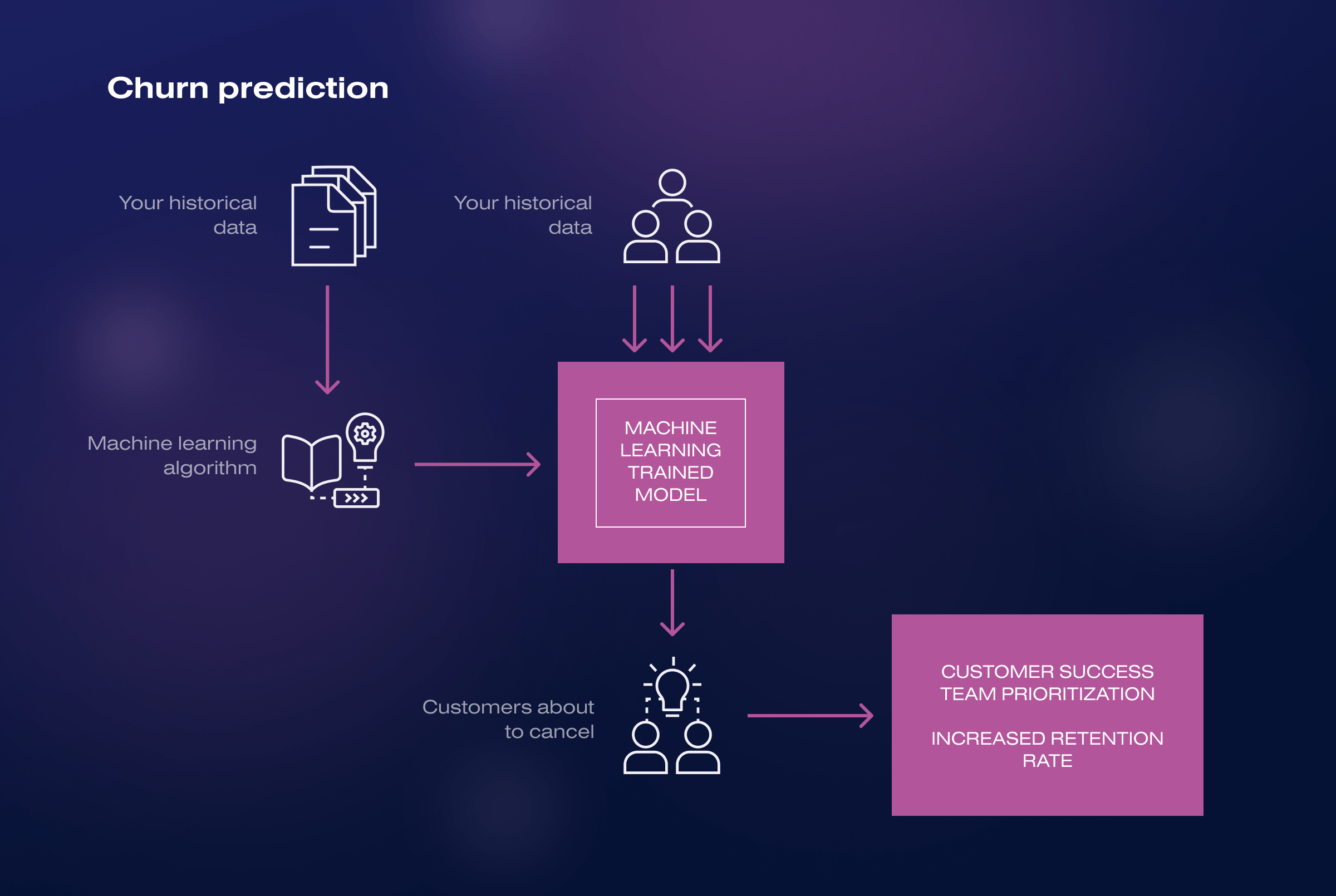
This article delves into how MSPs can leverage the power of CRM–RMM data integration to predict client churn. We’ll explore the key metrics to track, the analytical techniques to employ, and the proactive measures MSPs can take to mitigate churn risk and strengthen client relationships. By implementing a data-driven approach to churn management, MSPs can improve client retention, increase revenue, and build a more resilient business.
Understanding CRM and RMM Data for Churn Prediction
Before diving into the specifics of churn prediction, it’s essential to understand the types of data available from CRM and RMM systems and how they can be used to assess client health. Each system provides unique insights, and the real power comes from combining them. Understanding the value proposition requires a Cost Benefit Analysis to determine if the investment is worthwhile
CRM Data: The Client Relationship Perspective
CRM systems are the central repository for all client-related information. Key data points include:
- Contact Information: Basic details like name, email, phone number, and role within the client organization.
- Interaction History: Records of all communication with the client, including emails, phone calls, meetings, and support tickets.
- Support Tickets: Detailed information about issues reported by the client, including resolution time, severity, and client satisfaction ratings.
- Sales Opportunities: Information about potential upsells or cross-sells, including the stage of the sales cycle and the likelihood of conversion.
- Client Feedback: Surveys, reviews, and other forms of feedback that provide insights into client satisfaction and perception of value.
- Account Information: Contract terms, pricing, service level agreements (SLAs), and other details related to the client’s account.
Analyzing this data can reveal trends in client communication, support needs, and overall satisfaction. For example, a sudden increase in support tickets or a decline in positive feedback may indicate growing dissatisfaction.
RMM Data: The Technical Performance Perspective
RMM systems provide real-time visibility into the health and performance of client IT infrastructure. Key data points include:. Effective cybersecurity strategies often require a unified approach, where Crm Rmm Security becomes paramount for protecting client data and maintaining operational integrity
- Device Uptime and Downtime: Metrics on the availability of servers, workstations, and other devices.
- System Performance: Data on CPU utilization, memory usage, disk space, and network bandwidth.
- Security Alerts: Notifications of potential security threats, such as malware infections, intrusion attempts, and vulnerability exploits.
- Patch Management Status: Information on the deployment of software updates and security patches.
- Backup and Recovery Status: Data on the success and frequency of backups.
- Alerts and Errors: Notifications of system errors, warnings, and other potential problems.
RMM data provides a technical perspective on client health. Frequent downtime, performance issues, or security alerts can indicate underlying problems that may be impacting client productivity and satisfaction. For example, a client experiencing persistent network connectivity issues may be more likely to churn.
Key Metrics for Churn Prediction Using CRM–RMM Data
Combining CRM and RMM data allows MSPs to create a comprehensive set of metrics for predicting churn. These metrics can be categorized into several key areas:
Engagement Metrics
These metrics measure the level of client interaction with the MSP:
- Frequency of Communication: How often the client interacts with the MSP through emails, phone calls, or meetings. A decrease in communication may indicate disengagement.
- Response Time to Communication: How quickly the client responds to the MSP‘s communication. Slow response times may suggest a lack of interest or dissatisfaction.
- Participation in Meetings: Whether the client actively participates in meetings and provides feedback.
- Use of Self-Service Resources: Whether the client utilizes the MSP‘s knowledge base, FAQs, or other self-service resources. Lack of usage could indicate a need for more personalized support.
Support Metrics
These metrics measure the quality and efficiency of the MSP‘s support services:. Considering the rapid advancements in AI and automation, The best CRM software in 2025 will likely prioritize seamless integration and predictive analytics
.
- Number of Support Tickets: The total number of support tickets submitted by the client. A significant increase may indicate growing problems.
- Resolution Time: The average time it takes to resolve support tickets. Longer resolution times can lead to client frustration.
- First Call Resolution Rate: The percentage of support tickets resolved on the first call. A low rate may indicate inefficiencies in the support process.
- Client Satisfaction (CSAT) Score: The client’s satisfaction rating with the support provided. Low CSAT scores are a clear warning sign.
- Net Promoter Score (NPS): A measure of client loyalty and willingness to recommend the MSP to others. Low NPS scores indicate a higher risk of churn.
Technical Performance Metrics
These metrics measure the performance and reliability of the client’s IT infrastructure:
- Uptime Percentage: The percentage of time that the client’s systems are operational and available. Low uptime percentages can significantly impact productivity.
- System Performance Issues: The frequency and severity of performance issues, such as slow response times, high CPU utilization, or memory leaks.
- Security Incidents: The number of security incidents, such as malware infections or data breaches.
- Patch Compliance: The percentage of systems that are up-to-date with the latest security patches. Low patch compliance increases the risk of security vulnerabilities.
- Backup Success Rate: The percentage of backups that are completed successfully. Low success rates can lead to data loss in the event of a disaster.
Financial Metrics
These metrics relate to the financial aspects of the client relationship:
- Payment History: Whether the client pays their invoices on time. Late payments may indicate financial difficulties or dissatisfaction.
- Service Usage: The client’s utilization of the MSP‘s services. A decrease in usage may indicate that the client is considering alternative solutions.
- Contract Renewal Date: The date when the client’s contract is up for renewal. Clients are more likely to churn around renewal time.
- Profitability: The profitability of the client account for the MSP. Clients who are unprofitable may be at higher risk of being let go by the MSP.
Analyzing CRM–RMM Data to Identify Churn Signals
Once you’ve identified the key metrics, the next step is to analyze the data to identify patterns and trends that indicate a high risk of churn. Several analytical techniques can be used:
Trend Analysis
Track changes in key metrics over time. A downward trend in client satisfaction, uptime, or service usage may be a warning sign. For example, if a client’s CSAT score has been consistently declining over the past few months, it’s time to investigate.
Correlation Analysis
Identify relationships between different metrics. For example, you might find that clients who experience frequent downtime are also more likely to submit support tickets and have lower CSAT scores. This information can help you prioritize your efforts and focus on addressing the root causes of churn.
Segmentation
Divide your client base into different segments based on their characteristics, such as industry, size, or service usage. This allows you to identify specific segments that are at higher risk of churn and tailor your retention strategies accordingly. For example, you might find that clients in the healthcare industry are more likely to churn due to compliance requirements.
Churn Prediction Models
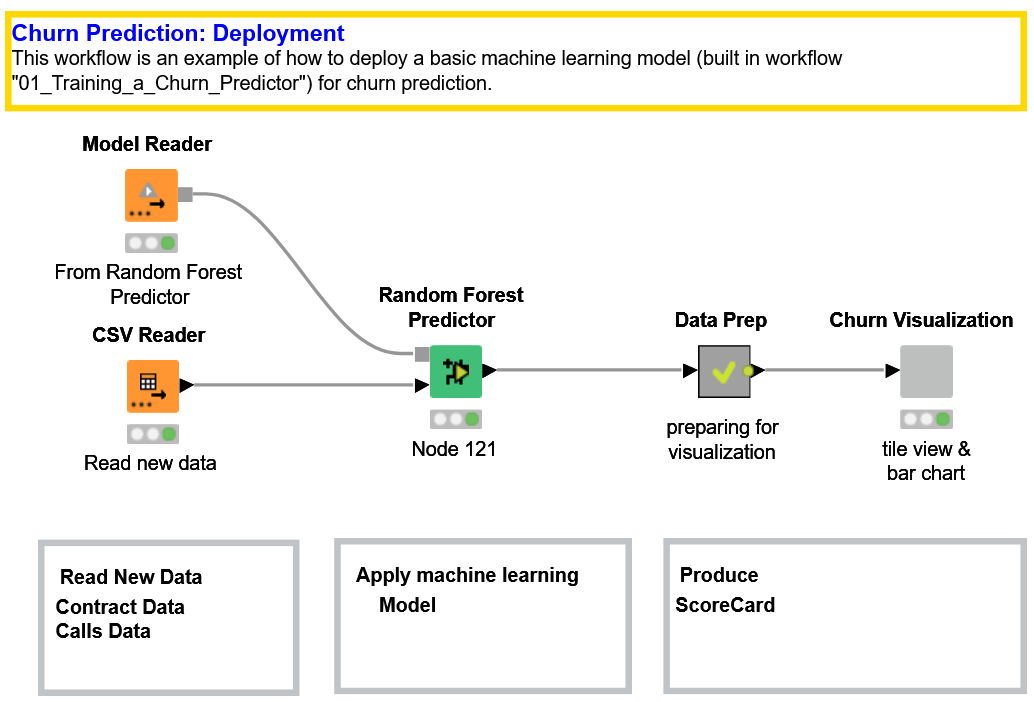
Use machine learning algorithms to build predictive models that identify clients at risk of churning. These models can be trained on historical data to identify the factors that are most strongly associated with churn. Common machine learning algorithms used for churn prediction include logistic regression, support vector machines, and decision trees.
Proactive Measures to Mitigate Churn Risk
Identifying clients at risk of churning is only half the battle. The real challenge is to take proactive measures to address the underlying issues and improve client retention. Here are some strategies MSPs can employ:
Proactive Communication
Reach out to clients who show signs of dissatisfaction or disengagement. Schedule regular check-in calls to discuss their needs, address any concerns, and provide updates on the MSP‘s services. Proactive communication can help build trust and strengthen the client relationship.
Improved Support Services
Improve the quality and efficiency of your support services. Reduce resolution times, increase first call resolution rates, and provide personalized support. Consider implementing a ticketing system to track and manage support requests more effectively.
Technical Remediation
Address any technical issues that are impacting the client’s IT infrastructure. Proactively monitor systems for potential problems and take steps to prevent downtime and performance issues. Implement robust security measures to protect the client’s data and systems from threats.
Value Demonstrations
Regularly demonstrate the value of your services to the client. Provide reports on system performance, security incidents, and other key metrics. Showcase the benefits of your services in terms of increased productivity, reduced costs, and improved security. Consider offering additional services or solutions that can further enhance the client’s IT infrastructure. Many businesses find that strategic planning is essential for success, and this often involves Enterprises Switching Crm to optimize customer relationships
Personalized Service
Tailor your services to meet the specific needs of each client. Understand their business goals and challenges, and work with them to develop customized solutions. Provide personalized training and support to ensure that they are getting the most out of your services.

Feedback Mechanisms
Establish feedback mechanisms to gather client input on a regular basis. Conduct surveys, hold focus groups, and solicit feedback through your support channels. Use this feedback to identify areas for improvement and to ensure that you are meeting the client’s expectations.
Conclusion
Predicting client churn is essential for the long-term success of any MSP. By leveraging the power of CRM–RMM data integration, MSPs can gain a deeper understanding of client behavior, identify patterns indicative of dissatisfaction, and proactively address potential problems before they escalate into churn. By tracking key metrics, analyzing data trends, and implementing proactive retention strategies, MSPs can improve client retention, increase revenue, and build a more resilient business. The key is to move beyond simply reacting to churn and instead adopt a proactive, data-driven approach to client relationship management.
Frequently Asked Questions (FAQ) about How MSPs Use CRM-RMM Data to Predict Client Churn
What specific CRM and RMM data points do MSPs analyze to identify clients at high risk of churning?
MSPs leverage a combination of CRM and RMM data to predict client churn. From the CRM, they monitor client interaction frequency, support ticket volume, sales cycle length for new services, payment history (late payments are a red flag!), and overall client satisfaction scores. From the RMM platform, they analyze device uptime, the number of alerts generated per device, the frequency of critical errors, patch compliance status, and security vulnerabilities detected. A significant increase in support tickets coupled with declining system performance and negative client feedback strongly suggests a client is at risk. By combining these datasets, MSPs gain a holistic view of the client’s experience and identify potential issues before they lead to churn.
How can MSPs proactively use insights from CRM-RMM data integration to prevent client churn before it happens?
Integrating CRM and RMM data allows MSPs to move from reactive to proactive client management. When the combined data signals a potential churn risk (e.g., increasing unresolved support tickets and deteriorating server performance), the MSP can trigger automated workflows. This might include assigning a dedicated account manager to proactively reach out to the client, scheduling a service review to address concerns, offering discounted upgrades to improve performance, or implementing targeted training to enhance the client’s understanding of the MSP’s services. Early intervention, based on data-driven insights, demonstrates the MSP’s commitment to the client’s success and significantly reduces the likelihood of churn. Furthermore, analyzing churned clients’ data allows for identifying patterns and refining the proactive strategies.
What are some examples of automated workflows that MSPs can implement using integrated CRM-RMM data to reduce customer churn rates?
MSPs can create various automated workflows based on integrated CRM-RMM data to combat client churn. For example, if the RMM detects a critical server experiencing repeated downtime and the CRM shows the client recently submitted a negative feedback survey, a workflow could automatically escalate the issue to a senior technician and trigger an email to the account manager to schedule a call with the client. Another workflow could be initiated if a client’s patch compliance falls below a certain threshold and no support tickets have been opened, automatically triggering a proactive security audit and a personalized email explaining the importance of patch management. Automated alerts based on combined data points enable MSPs to address potential issues quickly and efficiently, demonstrating value and preventing client dissatisfaction from escalating into churn.