
In the ever-evolving landscape of IT management, staying ahead of the curve requires not just reacting to problems, but proactively anticipating and preventing them. Traditionally, IT departments have relied on separate Remote Monitoring and Management (RMM) and Customer Relationship Management (CRM) systems, leading to fragmented data, inefficient workflows, and ultimately, a less-than-optimal customer experience. This siloed approach is becoming increasingly unsustainable in today’s demanding business environment.
The future of IT management lies in the convergence of these two critical systems. Imagine a world where your IT team not only monitors the health of your clients’ infrastructure but also has instant access to their complete customer history, service agreements, and communication logs. This is the promise of RMM-enabled CRM – a unified platform that empowers IT service providers (MSPs) and internal IT departments to deliver exceptional service, build stronger client relationships, and drive business growth.
This article will delve into the compelling reasons why RMM-enabled CRM is not just a trend, but a necessary evolution in IT management. We’ll explore the benefits of integration, the challenges of implementation, and the key features to look for in a robust RMM–CRM solution. By understanding the power of this integrated approach, you can equip your IT team with the tools they need to thrive in the modern digital age and provide unparalleled value to your clients.
The Power of Integration: RMM and CRM Working Together
The core advantage of RMM-enabled CRM lies in its ability to break down the silos that traditionally separate IT operations from customer relationship management. By integrating these two systems, you create a single source of truth for all client-related information, enabling better decision-making, improved efficiency, and a more proactive approach to IT service delivery.
Enhanced Visibility and Proactive Support
With RMM-enabled CRM, your IT team gains a comprehensive view of each client’s environment, including real-time monitoring data, historical performance metrics, and detailed asset information. This enhanced visibility allows them to identify potential issues before they escalate, proactively address client needs, and minimize downtime. For example, if an RMM system detects a failing hard drive on a client’s server, the IT team can immediately access the client’s CRM profile to review their service level agreement (SLA), contact the client with a solution, and schedule a replacement, all within a single platform.
Improved Efficiency and Streamlined Workflows
Integrating RMM and CRM eliminates the need for IT technicians to switch between multiple applications, manually enter data, and search for information in disparate systems. This streamlined workflow saves time, reduces errors, and improves overall efficiency. Imagine a scenario where a client calls with a technical issue. The IT technician can instantly access the client’s CRM record, view their RMM data, and diagnose the problem without ever leaving the CRM interface. This seamless integration allows them to resolve issues faster and more effectively, leading to higher client satisfaction.
Data-Driven Decision Making
RMM-enabled CRM provides valuable insights into client behavior, service performance, and business trends. By analyzing this data, IT managers can identify areas for improvement, optimize resource allocation, and make more informed decisions about service offerings and pricing. For instance, by tracking the number of support tickets generated by each client, IT managers can identify clients who may require additional training or proactive support. This data-driven approach allows them to tailor their services to meet the specific needs of each client and maximize their return on investment. Using modern strategies, Crm Tools Improve customer relationship management systems
Benefits for MSPs: A Competitive Edge
For Managed Service Providers (MSPs), RMM-enabled CRM offers a significant competitive advantage. By leveraging the power of integration, MSPs can deliver superior service, build stronger client relationships, and drive business growth.
Increased Client Retention
Proactive support, faster response times, and personalized service are key to client retention. RMM-enabled CRM empowers MSPs to deliver all three. By anticipating and resolving issues before they impact the client’s business, MSPs can demonstrate their value and build trust. Furthermore, by having access to the client’s complete history, MSPs can provide a more personalized service experience, making the client feel valued and understood.
Improved Profitability
By streamlining workflows, reducing errors, and optimizing resource allocation, RMM-enabled CRM can help MSPs improve their profitability. The increased efficiency allows MSPs to handle more clients with the same number of technicians, increasing their revenue per employee. The proactive support reduces the number of support tickets, freeing up technicians to focus on more strategic initiatives. The data-driven decision-making allows MSPs to optimize their pricing and service offerings, maximizing their profit margins. Given the rapid advancements in AI and automation, The best CRM software in 2025 will likely prioritize features that enhance personalization and efficiency
.
Enhanced Business Development
RMM-enabled CRM provides MSPs with valuable insights into their clients’ needs and challenges. This information can be used to identify new opportunities for upselling and cross-selling. For example, if an RMM system detects that a client’s network is nearing capacity, the MSP can proactively reach out to the client with a proposal for upgrading their infrastructure. By understanding the client’s business goals and technology needs, MSPs can position themselves as trusted advisors and drive business growth.
Benefits for Internal IT Departments: Streamlining Operations
The benefits of RMM-enabled CRM extend beyond MSPs to internal IT departments. By integrating these systems, internal IT teams can streamline their operations, improve their efficiency, and provide better support to their internal users.
Improved Internal User Satisfaction
Just like external clients, internal users benefit from faster response times, proactive support, and personalized service. RMM-enabled CRM allows internal IT teams to provide all three. By proactively monitoring the health of the organization’s infrastructure, IT teams can identify and resolve issues before they impact users. By having access to each user’s complete history, IT teams can provide a more personalized service experience, making users feel valued and supported. Determining whether a project is truly worthwhile often involves a Cost Benefit Analysis to weigh potential gains against incurred expenses
Reduced Downtime and Increased Productivity
Proactive support minimizes downtime and keeps internal users productive. RMM-enabled CRM empowers IT teams to identify and resolve issues before they impact users’ ability to work. This reduces the amount of time users spend waiting for IT support and increases their overall productivity. For example, if an RMM system detects a security vulnerability on a user’s computer, the IT team can immediately patch the vulnerability, preventing a potential security breach and minimizing downtime.

Better Resource Allocation
RMM-enabled CRM provides valuable insights into IT resource utilization. By tracking the number of support tickets generated by each department, IT managers can identify areas where additional resources may be needed. This data-driven approach allows them to allocate resources more effectively and ensure that the organization’s IT needs are met.
Key Features to Look for in an RMM–CRM Solution
When selecting an RMM–CRM solution, it’s important to consider the specific needs of your organization and choose a platform that offers the features and functionality you require. Here are some key features to look for:
Seamless Integration
The most important feature is seamless integration between the RMM and CRM systems. The data should flow freely between the two platforms, allowing you to access all client-related information from a single interface. Look for a solution that offers pre-built integrations or an open API that allows you to connect to other systems.
Comprehensive Monitoring and Management
The RMM system should provide comprehensive monitoring and management capabilities, including real-time monitoring, remote access, patch management, and software deployment. It should be able to monitor a wide range of devices and operating systems, and it should provide alerts when issues are detected. Streamlining workflow and improving data visibility often requires Crm Rmm Integration to connect sales and service operations
Robust CRM Functionality
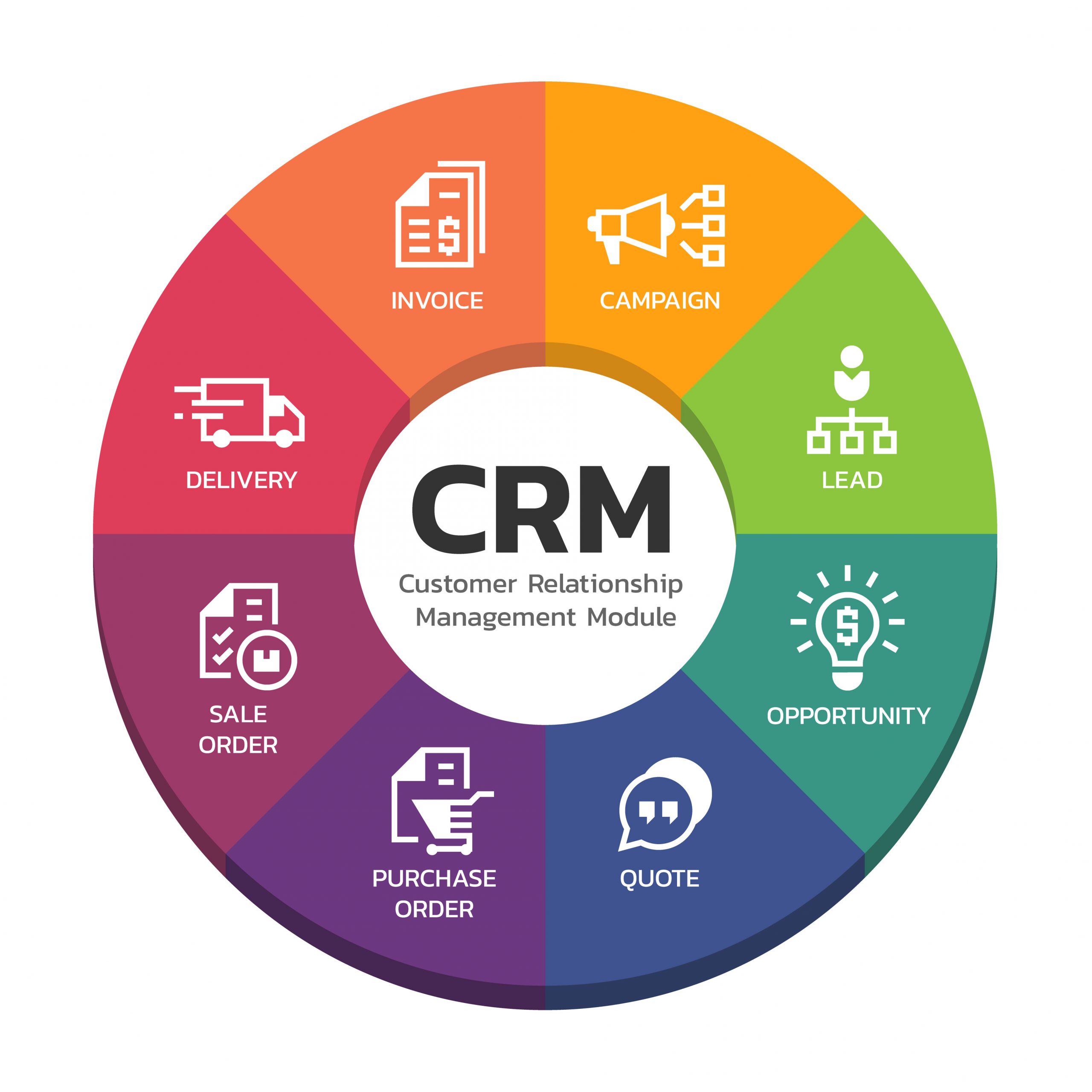
The CRM system should offer robust functionality for managing client relationships, including contact management, sales automation, marketing automation, and service management. It should be able to track all client interactions, from initial contact to ongoing support, and it should provide a 360-degree view of each client.
Automation and Workflow Management
The solution should offer automation and workflow management capabilities, allowing you to automate repetitive tasks and streamline your workflows. This can save time, reduce errors, and improve overall efficiency. Look for features like automated ticket creation, automated patch deployment, and automated reporting.
Reporting and Analytics
The solution should provide robust reporting and analytics capabilities, allowing you to track key metrics, identify trends, and make data-driven decisions. Look for features like customizable dashboards, pre-built reports, and the ability to export data to other systems.
Challenges of Implementation and How to Overcome Them
Implementing an RMM–CRM solution can be a complex process, and it’s important to be aware of the potential challenges and how to overcome them. Some common challenges include:
Data Migration
Migrating data from existing systems to the new RMM–CRM platform can be time-consuming and challenging. It’s important to plan the data migration carefully and ensure that all data is accurately transferred. Consider using a data migration tool to automate the process.
User Training
Users need to be properly trained on how to use the new RMM–CRM platform. Provide comprehensive training materials and offer ongoing support to help users get comfortable with the system. Consider appointing power users who can provide support to their colleagues.
Integration Issues
Integrating the RMM–CRM platform with other systems can be challenging. Ensure that the platform offers pre-built integrations or an open API that allows you to connect to other systems. Work closely with the vendor to ensure that the integration is seamless.
Resistance to Change
Some users may resist the change to a new RMM–CRM platform. Communicate the benefits of the new system clearly and involve users in the implementation process. Address their concerns and provide ongoing support to help them adapt to the new system.
Conclusion: Embracing the Future of IT Management
RMM-enabled CRM is more than just a technology trend; it’s a fundamental shift in the way IT services are delivered and managed. By integrating these two critical systems, IT departments and MSPs can unlock a wealth of benefits, including enhanced visibility, improved efficiency, data-driven decision-making, and stronger client relationships. As the IT landscape continues to evolve, embracing RMM-enabled CRM is essential for staying ahead of the curve and delivering exceptional value to your clients.
The key to success lies in choosing the right solution, planning the implementation carefully, and providing comprehensive training to users. By overcoming the challenges and embracing the opportunities, you can transform your IT operations and position your organization for long-term success. The future of IT management is here, and it’s powered by the convergence of RMM and CRM.
Frequently Asked Questions (FAQ) about Why RMM-Enabled CRM Is the Future of IT Management
How does integrating Remote Monitoring and Management (RMM) software with Customer Relationship Management (CRM) improve IT support efficiency?
Integrating RMM-enabled CRM significantly streamlines IT support by providing technicians with a unified view of customer information and technical data. Traditionally, IT support teams have to switch between multiple systems – the CRM for customer details and the RMM for endpoint monitoring. With an integrated system, technicians can access real-time device health, software versions, and network status directly from the CRM record. This eliminates the need for manual data lookup and reduces resolution times. Technicians can proactively identify and address potential issues before they escalate, improving customer satisfaction and reducing reactive support tickets. This enhanced visibility allows for faster diagnosis, more effective troubleshooting, and a more personalized support experience, boosting overall IT support efficiency.
What are the key benefits of using an RMM-enabled CRM for proactive IT service delivery and minimizing downtime for clients?
An RMM-enabled CRM empowers IT service providers (MSPs) to deliver proactive IT services and minimize client downtime through several key benefits. Firstly, it facilitates predictive maintenance by leveraging RMM data to identify potential hardware or software failures before they occur. This allows for scheduled maintenance during off-peak hours, preventing disruptions to client operations. Secondly, the integrated system enables automated alerting and ticketing based on RMM-detected issues, ensuring that problems are addressed promptly. Thirdly, by centralizing customer information and technical data, technicians can gain a holistic view of the client’s IT environment, enabling them to provide more informed and effective solutions. This proactive approach not only reduces downtime but also enhances client satisfaction and strengthens the MSP’s reputation as a reliable IT partner. Ultimately, this translates to increased client retention and new business opportunities.
How can RMM-enabled CRM help IT managed service providers (MSPs) improve client communication and demonstrate the value of their services?
RMM-enabled CRM significantly improves client communication for MSPs by providing a centralized platform for all interactions and technical data. The CRM allows MSPs to log all support tickets, resolutions, and proactive maintenance activities, creating a comprehensive history of service delivery. This information can be easily accessed and shared with clients, providing transparency and accountability. Furthermore, the RMM data within the CRM enables MSPs to generate detailed reports on system performance, uptime, and security incidents. These reports can be used to demonstrate the value of the MSP’s services by showcasing the proactive measures taken to prevent downtime and protect client data. By providing clear and concise communication, MSPs can build trust with their clients and strengthen their relationships. The ability to showcase the ROI of IT services is crucial for client retention and attracting new business.